Higher taxes. Bigger spending. Less value for your money.
Toronto residents are struggling with the cost of living. While City Hall doesn’t control every factor driving affordability, Chow’s policies directly increase the cost of owning or renting a home, commuting and running a business.
Taxing Toronto to death
A whopping 19.6% cumulative property tax increase in just three years: the largest since amalgamation. Plus, a tripled Vacant Home Tax, a new luxury home tax, and rising water, garbage and commercial property taxes.
Chow promised “modest” tax increases in her 2023 campaign. Toronto homeowners got some of the largest increases in decades, including a 9.5% increase in 2024 alone (the largest tax increase in 25 years). On September 4, 2026, she pledged to keep future increases “at or around” inflation. Is she to be trusted?
Spending more, delivering less
Toronto’s operating budget has ballooned to $18.9 billion while taxpayers face:
- 800 additional municipal hires and a growing permanent payroll, largely staffed with bureaucrats sympathetic to far-left causes and radical political organizations, such as Progress Toronto.
- Overtime costs have soared to $134.2 million.
- Sick-leave costs have reached $131.9 million.
- Millions drained from reserves to fund ongoing programs.
Housing: less supply, more pressure
Toronto housing starts plunged 31% in 2025 compared with 2024. By mid-2026, population-adjusted starts had fallen to among their lowest levels since 1996.
At a time when Toronto desperately needs more homes, construction is moving in the wrong direction.
Wasteful spending, everywhere
While residents are squeezed, City Hall has spent millions on questionable priorities:
- Sankofa Square rebranding: Costs projected to reach $860,000.
- Dundas renaming: Millions spent on rebranding city assets.
- Unused software: $11 million wasted on licenses for employees who no longer needed them.
- Traffic wardens and cosmetic fixes: Millions spent on visible stopgaps while congestion, infrastructure delays and maintenance backlogs persist.
- Homelessness and shelters: nearly $1 billion spent annually, mostly going to unaccountable non-profits and with over $150 million to bureaucratic salaries and benefits.
The bottom line
Chow keeps asking Toronto residents to pay more—while City Hall spends more, drains reserves and struggles to deliver the basics.
Affordability isn’t just about what things cost. It’s about how much City Hall takes from your household—and what you get in return.
The claim
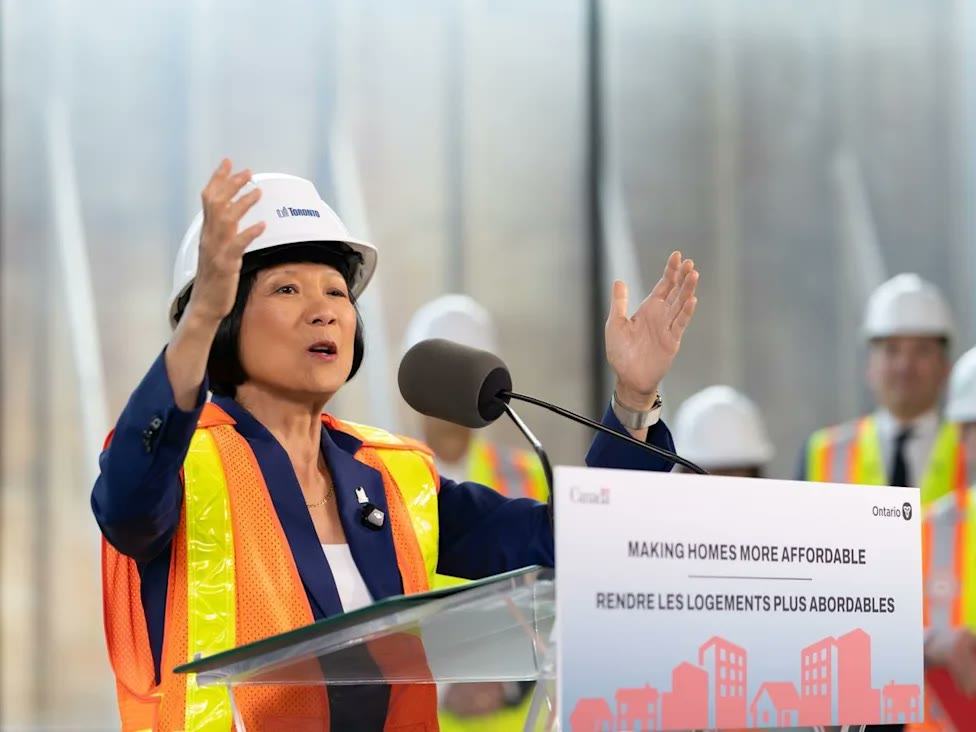
Chow bases affordability on freezing/capping transit fares, extending library hours and offering certain builders’ incentives and faster approvals.
The record
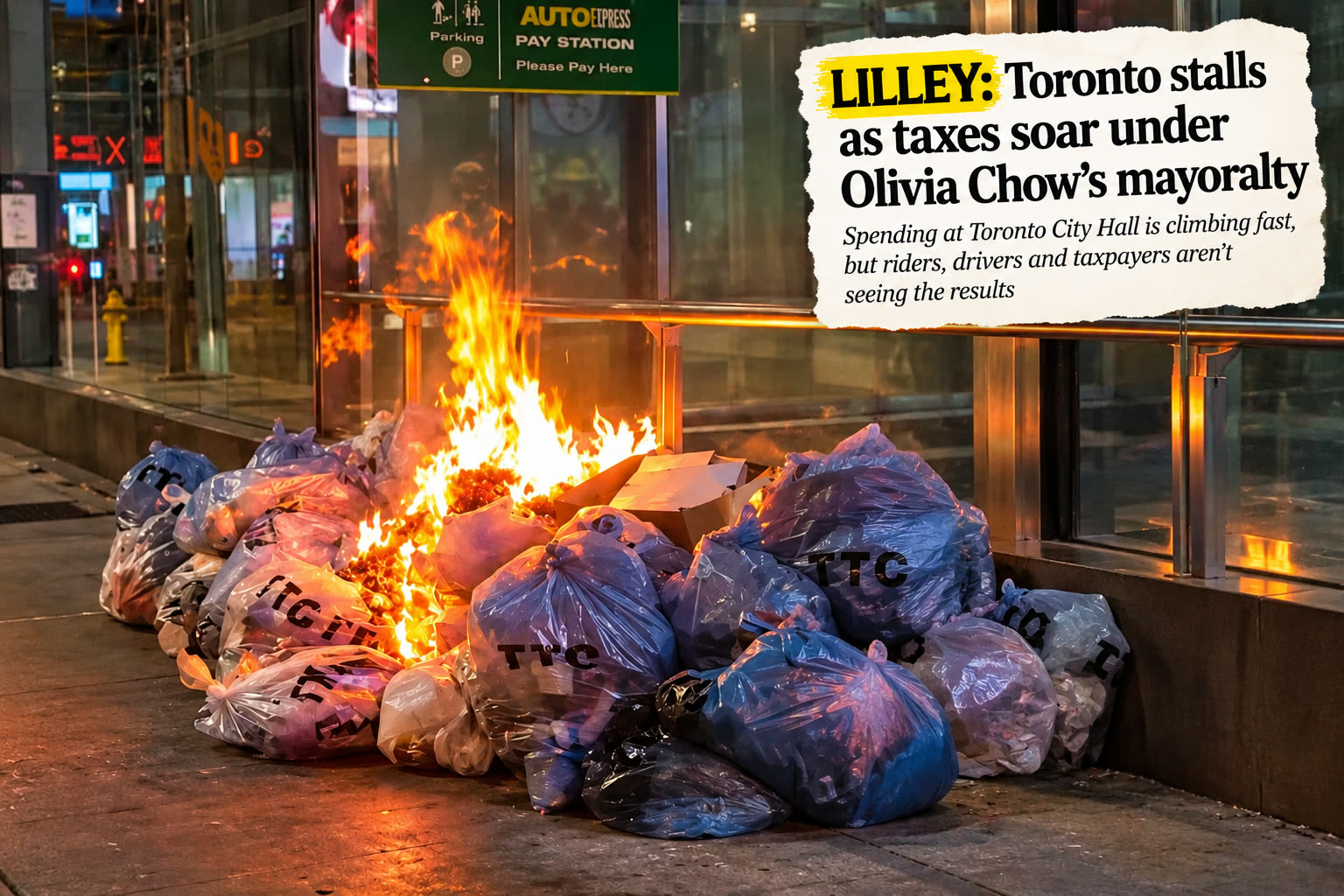
Taxes and city spending are at record highs, but there is no improvement in maintenance of roads, garbage and other city services. In fact, they’ve become worse.
Why it matters
Chow touts free school meals, frozen TTC fares and extended library hours as proof she’s making Toronto more affordable. These programs may help some households (and only the poorest who pay little to no tax)—but for many residents, the savings are marginal compared with the mounting cost of living.
A few targeted benefits cannot offset years of steep property tax hikes, rising utility bills and growing municipal spending.
Sources:BNN Bloomberg (The Canadian Press), Sep 4, 2026Global News, Jan 8, 2026Toronto Auditor General, Jun 30, 2026CMHC, Jan 16, 2026+6 more